Zelda Ocarina of Time shines with flawless framerate on Switch 2
 BY
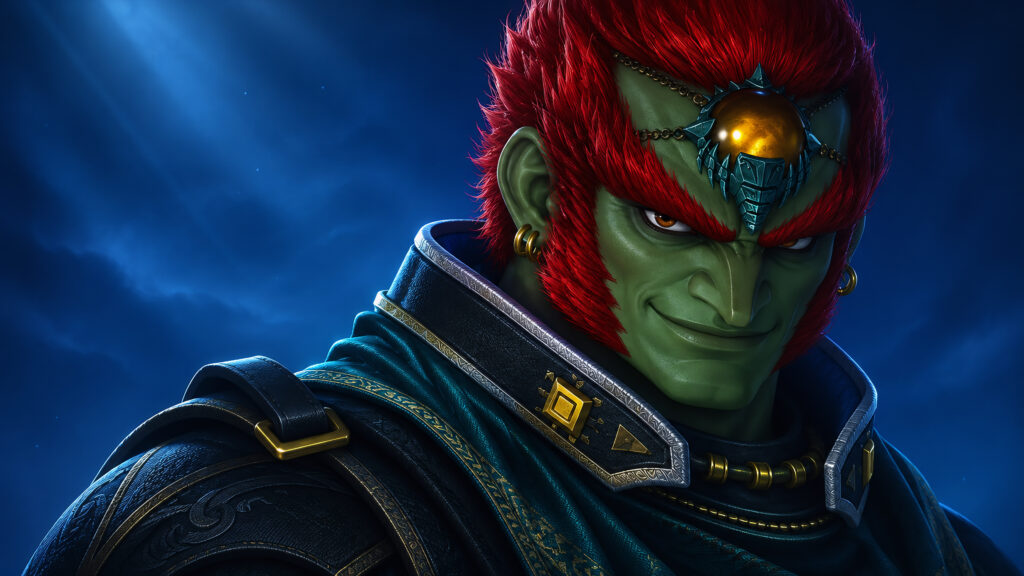
The legendary action-adventure title The Legend of Zelda Ocarina of Time has officially made its grand return on the Switch 2 hardware, marking a massive technical leap forward compared to its original release.
According to early critical consensus and soaring scores on Metacritic, this revamped title is strongly positioned to become the definitive gaming masterpiece of 2026. While the passionate gaming community might spend years debating the refreshed art direction or specific gameplay tweaks, there remains one undeniable truth. The performance of this modern remake completely outclasses its historical counterpart in every measurable metric.
Looking back at the revered N64 version, which has long been hailed as one of the greatest interactive experiences of all time, its raw performance would hardly meet the strict standards of modern audiences. Based on detailed technical analysis from the specialists over at Digital Foundry, Nintendo capped the original Ocarina of Time at a mere twenty frames per second. Furthermore, when players ventured into vast open environments, that number routinely plummeted to sixteen frames per second, creating a noticeably sluggish and choppy experience. Weighed against contemporary classics of that specific era like Super Mario 64, which ran significantly smoother at thirty frames per second, the vintage iteration of Ocarina of Time genuinely suffered in the graphical performance department.
However, all those historical limitations have been completely shattered on the Switch 2 platform. While the well-received 3DS remaster previously managed to bump the performance to thirty frames per second, this latest grand edition has finally achieved the ultimate dream target of sixty frames per second. Digital Foundry confirms that the framerate remains exceptionally stable throughout the entire adventure, with practically zero noticeable drops aside from a few negligible loading stutters in the background. Even though the game officially supports variable refresh rate display technology, this modern feature feels somewhat redundant simply because the core performance holds up remarkably well under pressure.
The overwhelming triumph of this remake extends far beyond mere frame counting and technical benchmarks. Numerous critics, alongside the dedicated review team here at Gamelade, have poured immense praise on the gorgeous graphics and modernized gameplay mechanics that make the epic quest much more accessible and captivating for newcomers. Experiencing such a timeless classic with crystal-clear visuals and beautifully fluid motion is undoubtedly a spectacular gift for the devoted fanbase. Pre-orders for the highly anticipated Ocarina of Time remake are currently still open, offering eager enthusiasts a golden opportunity to secure this phenomenal blockbuster early.
How we reported this story
- Evidence origin
- Technical performance analysis provided by Digital Foundry, alongside early review scores from Metacritic, as originally reported by GamesRadar+.
- What was independently verified
- The historical 20fps performance cap of the original N64 version and the 60fps performance target of the new Switch 2 remake.
- Parties contacted / right of reply
- N/A - This is a technical performance report and review summary; no direct contact with Nintendo or developers was required for these specific metrics.
- Unresolved questions and limitations
- Long-term performance stability in late-game environments or specific edge cases outside of the initial review builds analyzed by Digital Foundry remains to be fully tested by the wider player base.
This card describes the reporting process; it is not an independent verification certificate.
Sources & verification
Reports and documents referenced in this article.
-
Verified

I'm Chinh, a writer on Gamelade.net
Conversation 0 Comments