The economic reality of Overwatch cosmetic distribution
 BY
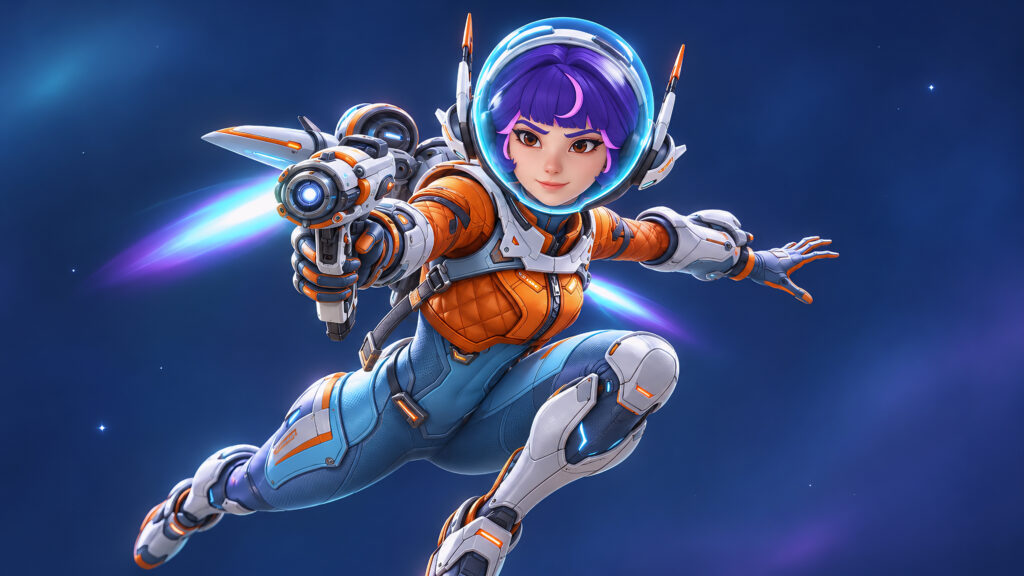
Navigating the turbulent waters of a free-to-play ecosystem requires a delicate balance between community goodwill and harsh financial pragmatism.
For a live-service giant reliant entirely on microtransactions, the internal economy is driven almost exclusively by cosmetic sales. This structural reality creates an inevitable friction point regarding how character updates are prioritized, leading to a highly disproportionate release schedule that frequently frustrates dedicated players.
Producing high-tier digital apparel is a resource-intensive endeavor requiring extensive concept work, modeling, and testing. Because the baseline game generates no upfront revenue, the development studio must treat every premium release as a calculated investment. The sheer size of the current roster, which currently exceeds fifty distinct combatants, exacerbates this challenge. Every time a new environment or fighter joins the fray, the studio’s overarching resource pool is stretched even thinner, a dynamic recently highlighted by game director Aaron Keller during a group interview documented by Kotaku.
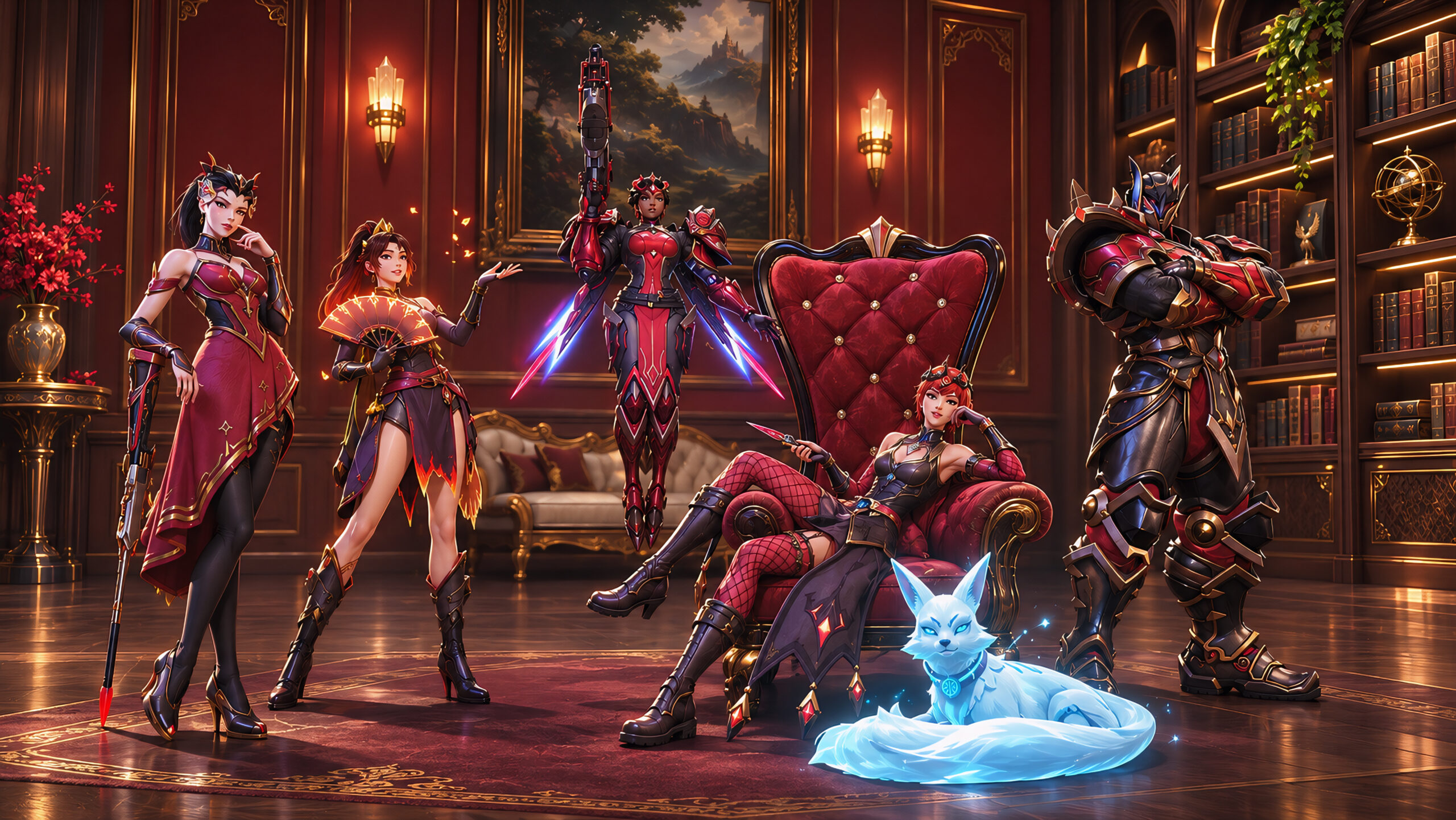
To maintain server upkeep and fund future development, the team relies on a pragmatic internal classification of their roster. Characters are essentially divided by their financial viability. A massive portion of consistent revenue stems from historically ubiquitous picks like Genji, Ana, and Soldier 76, whose staggering play rates naturally convert to high sales volumes. However, the true financial pillars of the franchise are the fan favorites commanding fiercely loyal audiences. Figures like Kiriko, Mercy, Widowmaker, and Juno possess dedicated communities willing to open their wallets consistently, making them the safest possible investments for the art department.
The studio utilizes the massive profits generated by these popular figures to bankroll content for the rest of the cast. It operates as an internal subsidy system. Without the guaranteed commercial success of a new Mercy or Kiriko drop, the team would lack the financial security necessary to design outfits for niche or underplayed characters.
Keller pointed out that the current seasonal strategy for premium Mythic releases is the most transparent example of this balancing act in motion. By launching two of these highly elaborate designs each season, the studio can pair a guaranteed blockbuster hero with one that has historically been neglected. The lucrative character effectively pays the production debt of the less popular one.
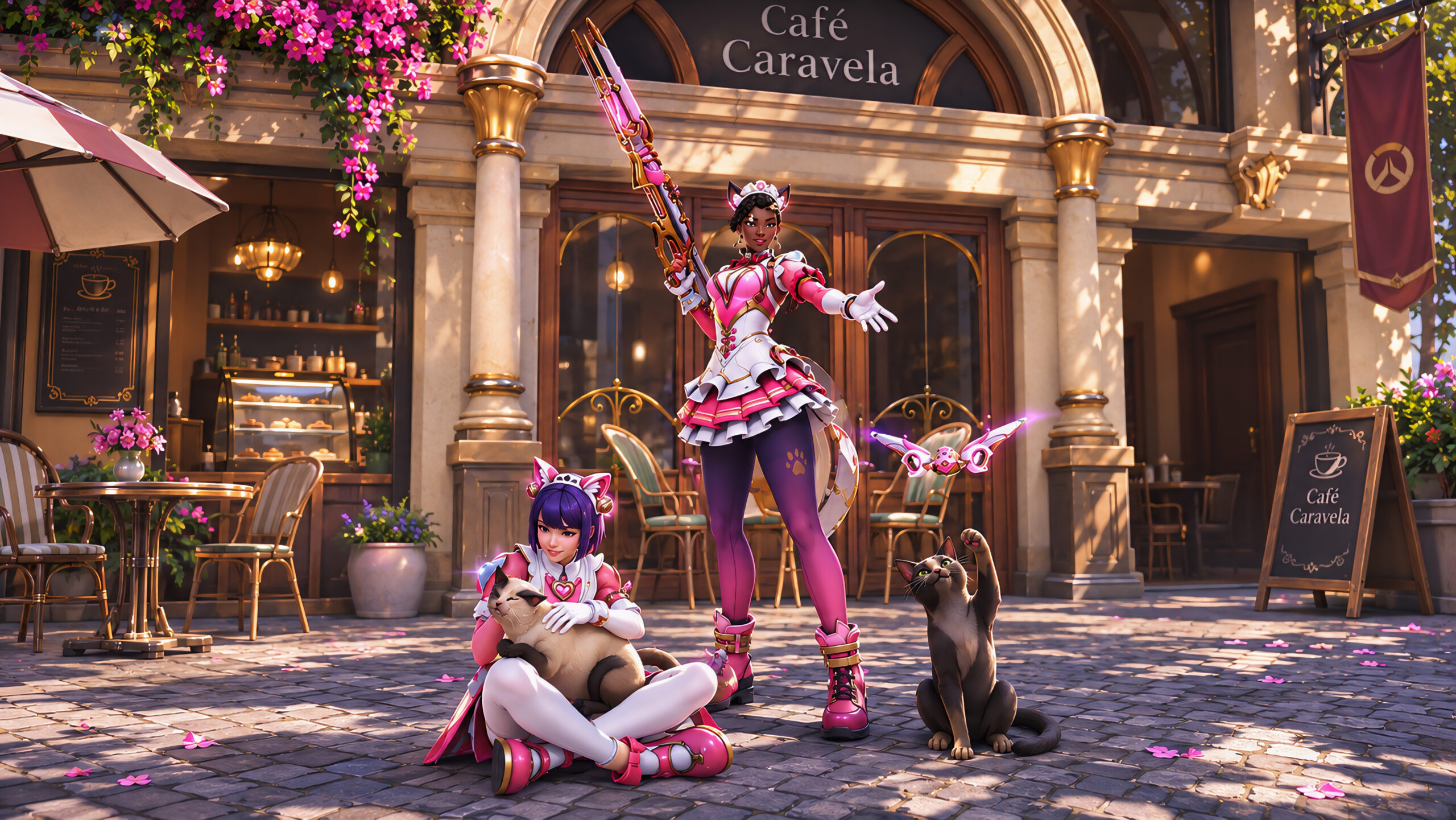
While developers are actively scaling up their production pipelines to accommodate newer additions and ambitious crossover events, the underlying philosophy cannot change. The primary directive of any ongoing multiplayer title is longevity. Delivering a perfectly equal distribution of digital goods is simply an impossible dream when the fundamental necessity is keeping the business solvent and the game alive for years to come.
How we reported this story
- Evidence origin
- The core information and direct quotes in this article originate from a group interview with Overwatch 2 Game Director Aaron Keller, which was originally documented and published by Kotaku.
- What was independently verified
- We reviewed the source material to confirm the accuracy of Aaron Keller's statements regarding the development team's financial strategy for cosmetic distribution. This includes the internal prioritization of highly played heroes to subsidize content for niche characters, and the dual-release structure of seasonal Mythic skins.
- Parties contacted / right of reply
- Not applicable for this specific analytical piece, as it relies entirely on publicly available statements made by a studio representative during an official press interview. No additional comment was sought from Blizzard Entertainment.
- Unresolved questions and limitations
- Specific internal performance metrics, such as exact sales figures for individual hero cosmetics or the precise revenue threshold required to categorize a hero as financially viable, remain proprietary to Blizzard Entertainment and are not publicly accessible.
This card describes the reporting process; it is not an independent verification certificate.
Sources & verification
Reports and documents referenced in this article.
-
Verified

I'm Chinh, a writer on Gamelade.net
Conversation 0 Comments