The truth behind the mountain steps of Skyrim
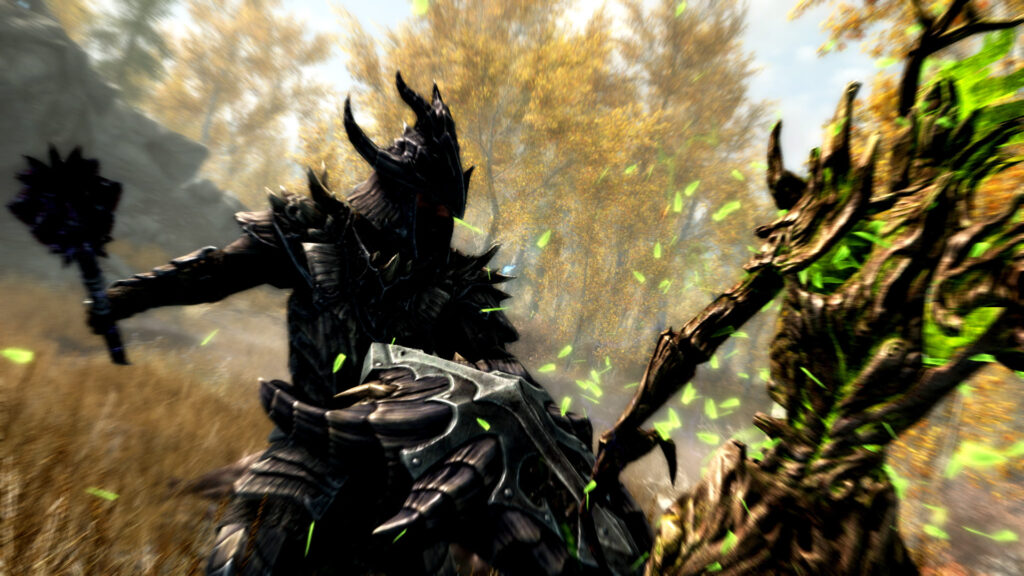
Video game landscapes are built on the art of illusion. Open-world design requires a delicate balance between epic lore and technical limitations, forcing developers to compress distances and populations to create a functional virtual environment.
A capital city like Solitude realistically houses thousands of residents, yet displays fewer than a hundred citizens on screen. Players simply accept that for every visible inhabitant, dozens more exist off-camera. This same principle of implied scale applies to geography, particularly the most famous pilgrimage in the province of Skyrim.
In the established lore of the land, reaching the Greybeards at High Hrothgar requires an exhausting trek up the Throat of the World. Travelers starting their ascent from the humble village of Ivarstead are quickly cautioned by a local messenger named Klimmek about the punishing journey ahead. The path is globally recognized by fans as the legendary Seven Thousand Steps.
However, the physical reality of the game tells a different mathematical story. Dedicated researchers from the Ultimate Elder Scrolls Portal have thoroughly investigated the trail. They discovered that while snow obscures many stones, the visible count hovers around seven hundred. Even measuring by the physical movement of the Dragonborn, the entire climb demands approximately two thousand and four hundred footsteps.
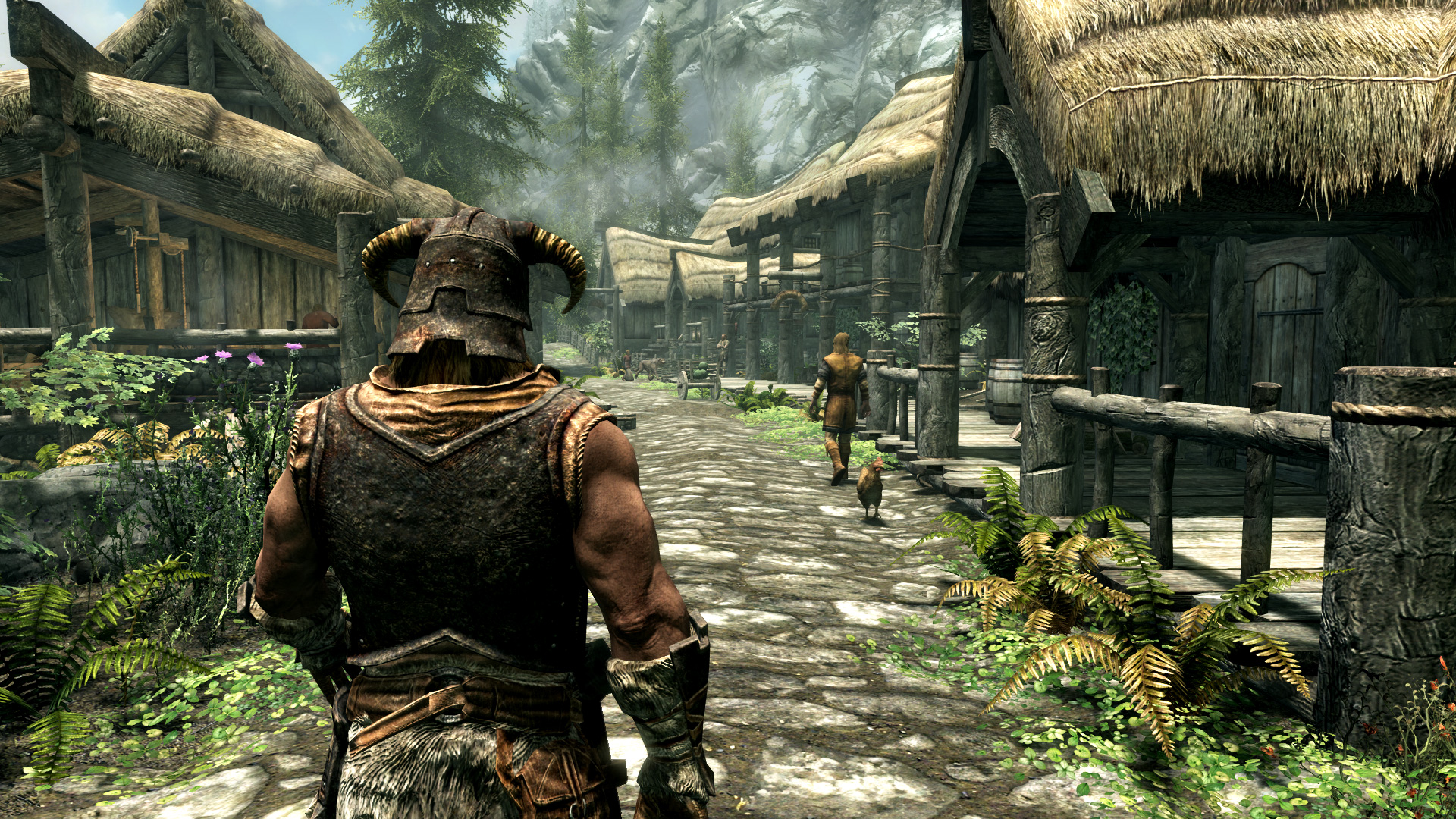
During a recent retrospective celebrating the 40th anniversary of Bethesda, an intriguing piece of development history emerged regarding this exact discrepancy. Dan Lee, the associate art director tasked with refining the visual shape of the mountain, shared his experience sculpting the iconic terrain. His responsibilities extended beyond mere topography to include placing flora, visual effects, and the stony path itself. Driven by a deep appreciation for established lore, Lee originally intended to make the mythical number a reality.
He embarked on a meticulous effort to physically place all seven thousand individual steps into the game world. The experiment quickly demonstrated the sheer magnitude of the number. To accommodate that many stones, the trail had to extend ridiculously far beyond Ivarstead, wrapping entirely around the massive mountain and spilling out into the frozen tundra near Whiterun. The team ultimately had to scale back the design to fit the playable world, relying on the player’s imagination to fill in the rest.
While Lee proudly takes ownership of the scenic layout and environmental dressing of the path, he draws a hard line at gameplay encounters. Many adventurers have been abruptly halted by a notoriously brutal monster stationed midway up the mountain. On that specific matter, Lee firmly stated he had absolutely no part in placing the infamous Frost Troll.
How we reported this story
- Evidence origin
- The information originates from public statements made by Bethesda during their 40th-anniversary retrospective, specifically quotes from Associate Art Director Dan Lee regarding the environmental design of High Hrothgar. Supplementary player data regarding the in-game step count was sourced from research published by the Ultimate Elder Scrolls Portal.
- What was independently verified
- We verified Dan Lee’s direct quotes regarding his attempt to implement all 7,000 steps and his denial of involvement with the Frost Troll encounter. We also verified that the Ultimate Elder Scrolls Portal conducted the referenced in-game footstep and stone count analysis.
- Parties contacted / right of reply
- N/A - This article is based on historical development trivia and public retrospective statements released directly by the studio. No further comment was required from Bethesda.
- Unresolved questions and limitations
- As noted in the community research, an exact 1:1 count of the physical stone steps modeled in the game is impossible because many of the assets are deliberately buried beneath snow meshes. The 700 count is an accepted community estimate.
This card describes the reporting process; it is not an independent verification certificate.
Sources & verification
Reports and documents referenced in this article.
-
Verified
Conversation 0 Comments