Overwatch director leaves the door open for future PvE content
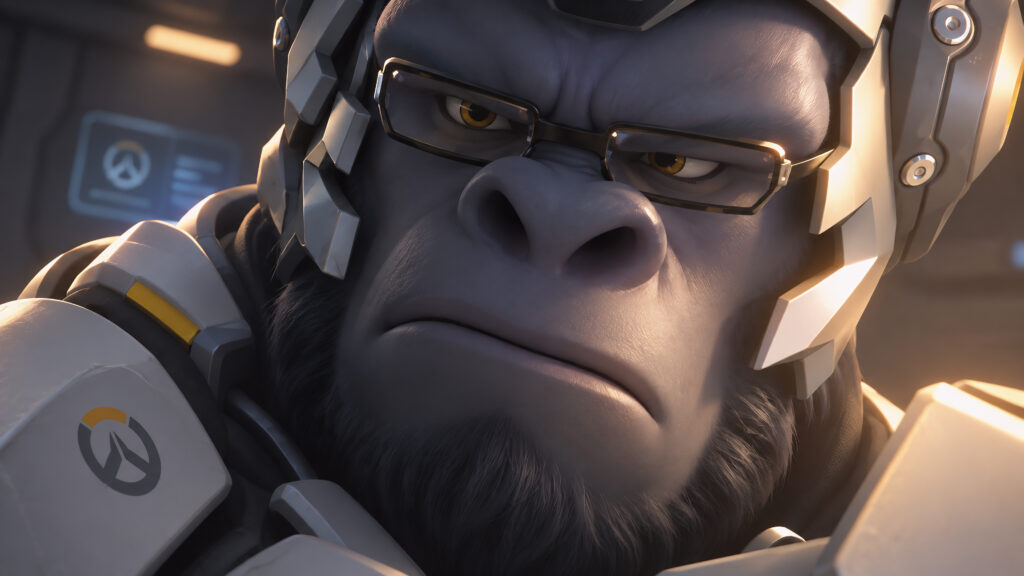
Blizzard Entertainment has not entirely abandoned the possibility of bringing playable story experiences back to Overwatch, but fans expecting another large-scale campaign may have to reconsider their expectations.
Game director Aaron Keller has indicated that smaller PvE projects could still be explored, while a full narrative campaign would demand resources and development capacity on the scale of an entirely separate game.
The distinction reflects a broader challenge facing Overwatch: how to expand its fictional universe without compromising the development priorities of a competitive multiplayer title.
Overwatch has always had the ingredients for a substantial narrative experience. Its diverse cast, interconnected character histories and ongoing conflicts provide plenty of material for stories that extend beyond individual matches. However, translating that potential into a sustained gameplay experience has proved considerably more complicated than Blizzard originally anticipated.
When Overwatch 2 was unveiled in 2019, Blizzard presented PvE as one of the sequel’s defining ambitions. The original vision included cooperative story missions alongside a much more extensive Hero Missions mode, with character progression, upgrade systems and talent customization designed to give players a reason to return to the campaign.
That ambitious approach eventually became difficult to sustain. In May 2023, Keller publicly explained the decision to abandon the planned Hero Missions experience, acknowledging that development had expanded beyond what the team could realistically deliver while maintaining the live game. His official explanation of Overwatch 2’s revised PvE direction outlined how the studio had struggled to reconcile its original ambitions with the ongoing demands of seasonal development.
Blizzard subsequently released smaller narrative experiences, including the Story Missions introduced in 2023. These offered players a more direct way to experience developments within the Overwatch universe, but they did not establish the long-term engagement the studio had hoped to achieve.
Keller’s latest comments suggest that this experience has influenced how Blizzard evaluates the future of PvE. Reflecting on the previous campaign, he acknowledged that the content generated considerable excitement and advanced the overarching narrative, but its actual player engagement fell short of expectations.
The problem was not necessarily a lack of interest in Overwatch’s characters or storytelling. Rather, the challenge was converting initial enthusiasm into sustained participation while justifying the considerable production resources required to create playable narrative content.
Unlike traditional multiplayer updates, story-driven PvE missions require dedicated environments, enemy encounters, scripted sequences, character interactions, voice performances and extensive testing. Maintaining that content also introduces additional production demands, particularly when the same development resources are needed to support new heroes, maps, balance changes and seasonal updates.
For a live-service game built around competitive matches, those competing priorities can become difficult to manage. Blizzard therefore appears to be considering other ways of developing the Overwatch narrative without placing the same burden on its core development team.
Cinematics and other storytelling formats offer one possible solution. They allow the studio to explore character relationships, introduce new developments and expand the fictional universe without having to build an entire playable mission around every major narrative event.
Nevertheless, Keller has stopped short of closing the door on interactive storytelling. During a recent discussion with the press, the director said he would never rule out the return of PvE content. His remarks leave room for smaller, more focused experiences that could complement the existing game without requiring the kind of extensive development commitment associated with the original campaign.
Such an approach would also give Blizzard greater flexibility. Rather than attempting to recreate an expansive progression-based mode, the studio could experiment with limited cooperative missions or occasional narrative events that fit more naturally into the game’s seasonal structure.
A full-scale campaign, however, presents an entirely different proposition.
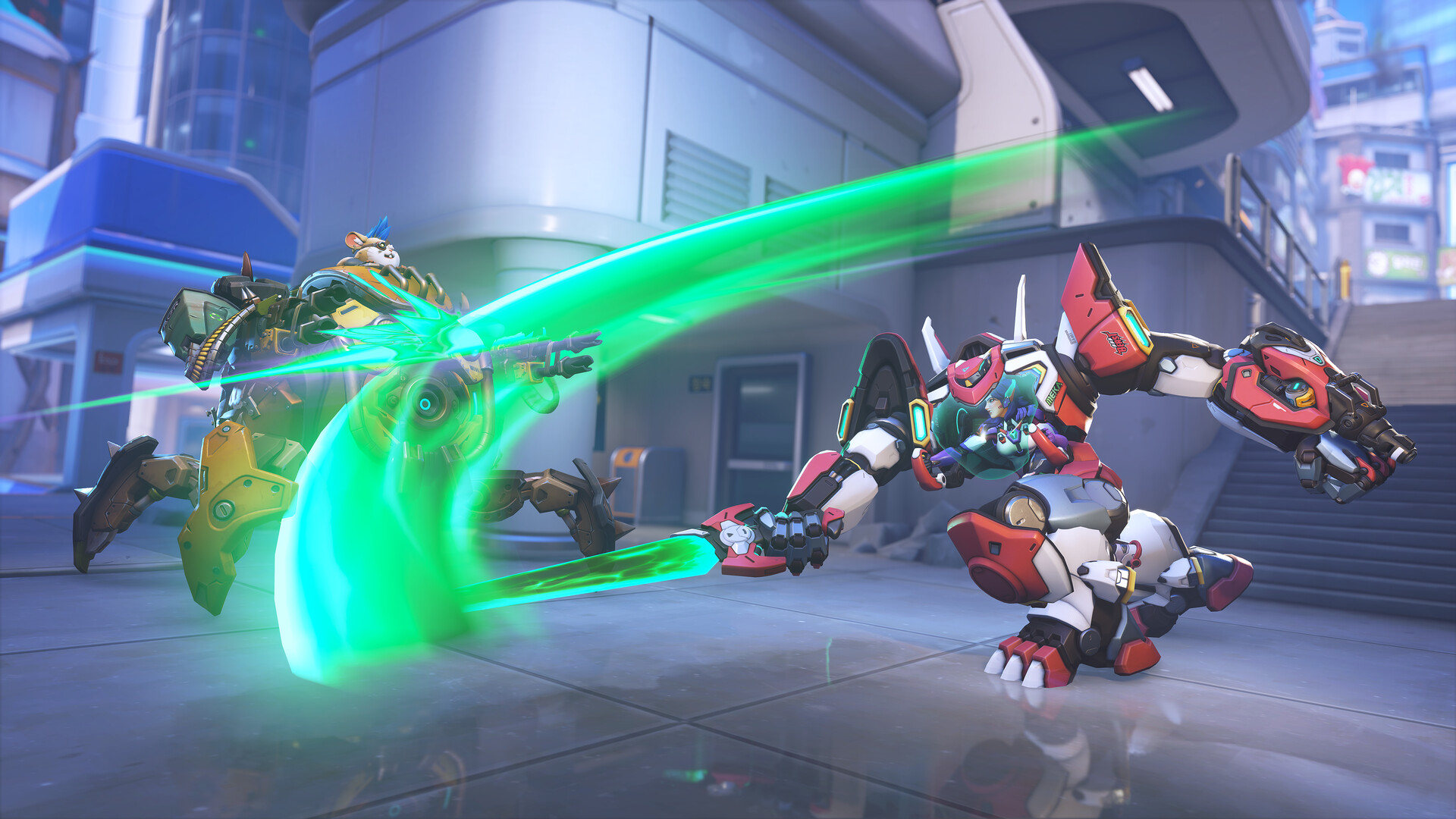
Keller indicated that bringing back something comparable to Blizzard’s original vision would be an enormous undertaking, potentially requiring a dedicated development team to build what he described as a whole new game. This is an important distinction, as it suggests that a substantial single-player or cooperative experience may not be realistic as an additional feature within the existing Overwatch release.
A separate project would offer more room to develop its own progression systems, mission structures and narrative pacing without having to accommodate the constant balancing requirements of a competitive shooter. It could also give Blizzard the freedom to explore conflicts and character arcs on a much larger scale.
However, Keller’s comments should not be interpreted as confirmation that such a project is currently in development. For now, they describe the scale of commitment that would be necessary to make another major campaign viable.
The wider Overwatch universe still offers considerable opportunities for storytelling, whether through playable missions, animated productions or other narrative formats. Blizzard has previously discussed the possibility of expanding its established franchises into other forms of entertainment, including adaptations involving Overwatch and Warcraft.
For players who have followed the franchise primarily for its characters and fictional world, the possibility of seeing more substantial stories remains appealing. The cancellation of the original campaign did not eliminate that interest, even if it forced Blizzard to reconsider how those stories should be delivered.
For the time being, smaller PvE experiences appear more realistic than a return to the ambitious campaign once envisioned for Overwatch 2. Whether Blizzard eventually decides to pursue that direction will depend on its ability to balance player interest, production costs and the long-term needs of the competitive game.
Keller’s position is therefore cautiously open rather than a promise of new content. Overwatch may still have more playable stories to tell, but bringing them to life will require a development strategy that makes sense for both the fictional universe and the game itself.
Conversation 0 Comments